Article: Weaving a Tale of Raffia
Weaving a Tale of Raffia
The lowdown on one of the world's finest natural fibres

What Raffia Is
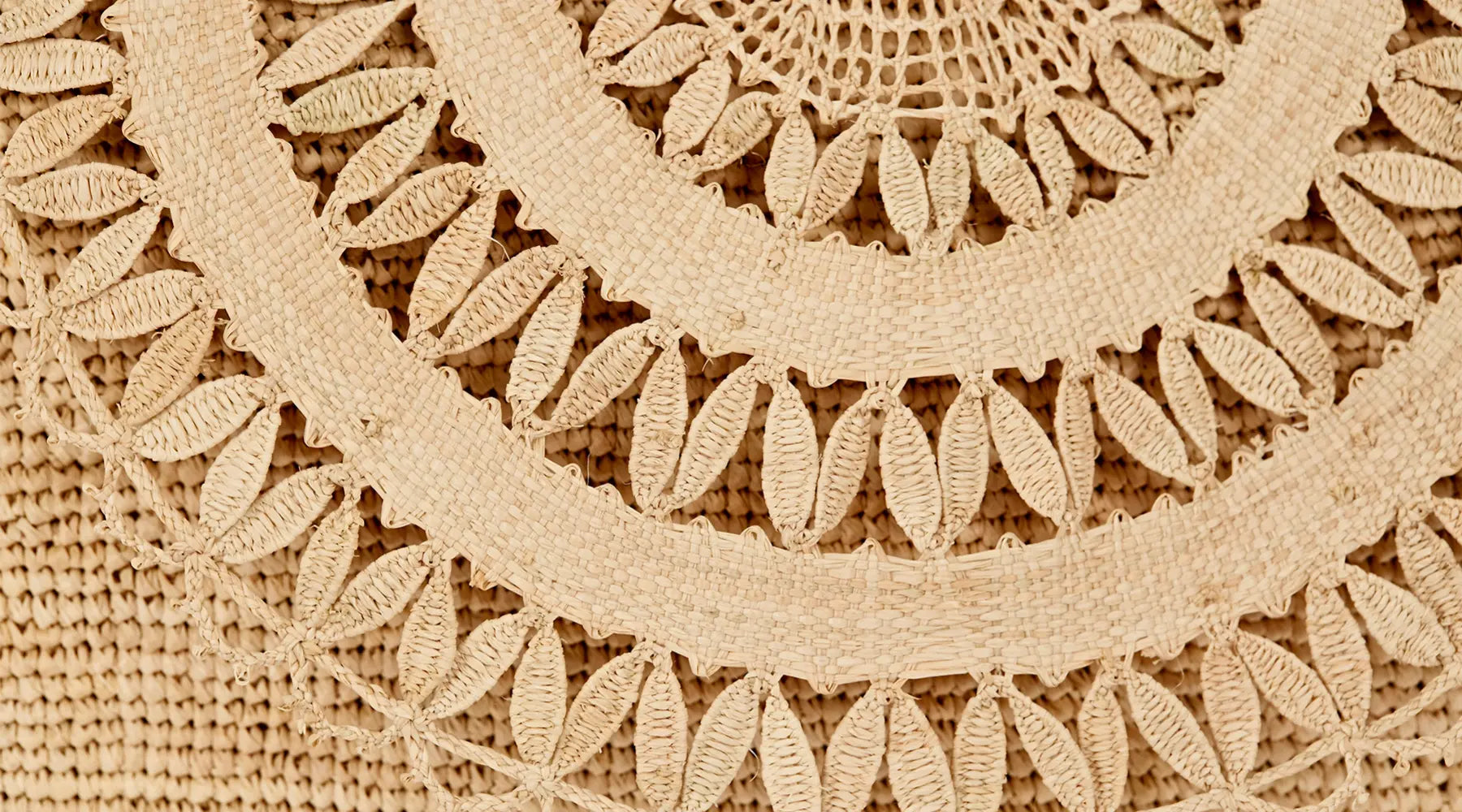
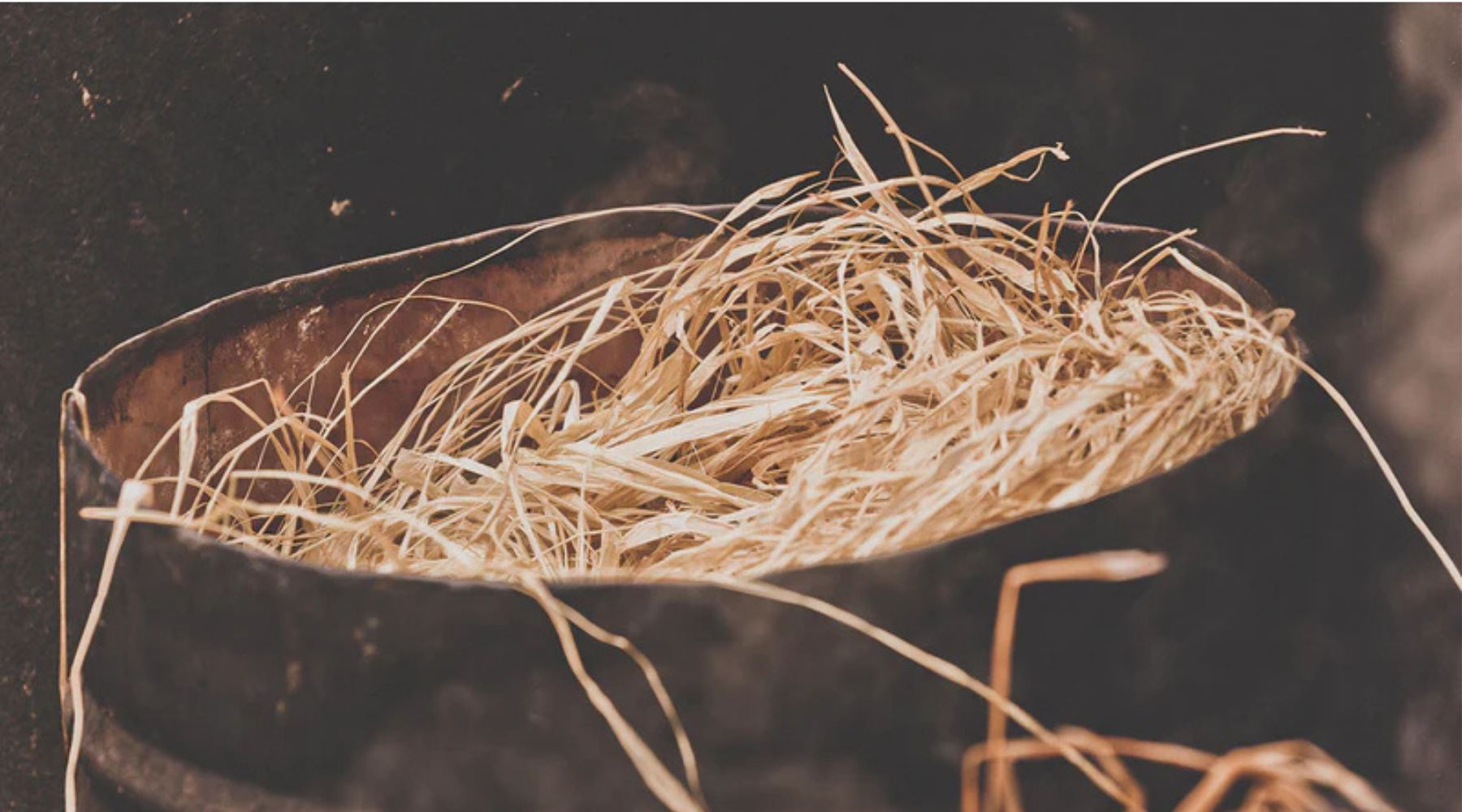
A natural fibre from the fronds of the raffia palm, raffia grows only in specific tropical regions. It is soft, naturally waxed for water resistance, easy to dye, and highly durable — one of the few materials that is genuinely textural without sacrificing longevity.
When harvested responsibly, it is also extraordinarily sustainable. Pruning palm leaves at a minimum of 1.2 metres preserves the health and continued growth of the tree. Production requires minimal water — one raffia bag uses less than 50 litres, compared to 2,700 litres for a single cotton t-shirt.

Not all natural fibres are the same. Raffia, straw, rattan, jute — what's the difference?
Straw is the dried stalk of cereal crops — stiffer and coarser. Rattan is a climbing palm from Southeast Asia — strong and lightweight, used primarily in furniture. Jute comes from plant stems grown in India and Bangladesh — durable, but most associated with rope and burlap.
Each has its own origin, characteristics, and craft tradition. As demand for natural fibres has grown, so has the market for imitations — paper and synthetic substitutes that mimic raffia's look while sacrificing everything that makes it worth choosing.

Why Madagascar matters
Seventy-five percent of the world's raffia comes from Madagascar, where the fibre quality is unmatched and the craft tradition runs deep. But as raw raffia is increasingly exported to large overseas manufacturers, local artisans are being bypassed — left with lower-grade material while rare handcraft techniques quietly disappear.